In today’s fast–moving digital marketplace, audiences are spoilt for choice. For every product and service category, there are thousands of businesses competing for the same attention span. What separates successful brands from forgettable ones isn’t luck, pricing, or even product quality alone — it’s branding. Peacock India believes modern businesses thrive when branding transforms into a strategic differentiator rather than a creative add–on.
Branding and brand identity have become foundational business requirements, not creative luxuries. When implemented correctly, branding builds emotional loyalty, recognition, trust, and credibility — the building blocks required for sustainable growth. This article explores why branding and brand identity matter more today than ever before, how they impact consumer behaviour, and the strategic steps modern businesses must take to build brands that customers believe in.

What Branding Really Means in Modern Business
Branding goes far beyond logos, colours, or visuals. Branding is the psychological, emotional, and strategic interpretation of who your business is.
Your brand is:
- how customers feel about you
- how they describe you to others
- how they remember you
- what they expect from you
Branding encompasses tone, voice, customer experience, values, culture, and reputation.
When customers hear your business name, their reaction reflects your branding effort — trust or doubt, excitement or indifference, value or confusion.
A strong brand makes the decision simple:“Among all these options — I choose you.”
What Is Brand Identity?
Brand identity is the visible, tangible expression of your branding strategy. It is how you present yourself to the world and how the world recognises you.
Brand identity includes:
- logo
- typography
- colour palette
- messaging style
- brand story
- imagery treatment
- website design
- social media look and feel
- tone of voice
Identity turns your brand into something people can see, read, hear, and interact with.
Modern customers trust brands that “look real.” If your identity is inconsistent, outdated, or unclear, customers subconsciously assume the same about your business.
Brand identity reassures them:“We know who we are. We know what we stand for. You can trust us.”
Why Branding Matters More Today Than Ever Before
The modern business environment is louder, faster, and more competitive than any period in history.
Branding matters because:
- Customers Buy Emotion, Not LogicPeople choose brands that make them feel confident, inspired, or aligned with their values.
- Products Are Easily ReplicatedAny competitor can make a similar product — branding makes it different.
- First Impressions Are DigitalYour website, app, and social channels are now your first handshake.
- Trust Determines Business SurvivalBranding accelerates trust-building, especially for new customers.
- Advertising Cost Is RisingStrong branding reduces paid marketing dependency over time.
- Online Reviews Influence ReputationBrand identity reinforces credibility even before customers contact you.
Simply put — branding converts attention into trust, and trust into revenue.

How Branding Drives Long-Term Business Growth
A strong brand creates measurable commercial impact. It is not only about visuals; it is about growth outcomes.
Branding Improves Recognition
Visual consistency makes customers remember you instantly.
Branding Supports Premium Pricing
Strong brands sell at higher prices because they sell value, not just products.
Branding Strengthens Customer Loyalty
Emotional attachment keeps customers choosing you again.
Branding Fuels Referral Power
People proudly share brands that reflect their identity.
Branding Increases Sales Conversions
A strong identity answers subconscious doubts before purchase.
A strong brand is cheaper to market, easier to sell, and harder to imitate.
Brand Identity: The Engine Behind Customer Perception
Brand identity transforms your business from invisible to unforgettable.
Key identity elements customers evaluate:
- Visual SystemColour, shape, and typography signal reliability.
- Brand VoiceThe tone of communication shapes emotional connection.
- Story & PurposeCustomers want to know why you exist.
- Digital UX/UIYour online presence must reflect your promise.
- Social BehaviourYour social tone reinforces identity.
Brand identity is not decoration — it’s interpretation.
Psychology Behind Branding Influence
Branding works because it aligns with human behaviour:
- Memory — repeated visuals stick in the mind
- Emotion — emotional connection drives loyalty
- Association — colours and shapes carry meaning
- Social Proof — strong branding increases trust
Branding shapes perception before the product is even experienced.
Digital Branding: The New Battlefield for Business
Today, branding is experienced more through screens than stores.
Key digital touchpoints include:
- websites
- mobile apps
- social channels
- online content
- email branding
A business with strong digital identity becomes omnipresent.

Branding Creates Emotional Relationships
Modern customers don’t seek transactions — they seek belonging.
Branding builds emotional connection through:
- shared beliefs
- authenticity
- personality
- identity alignment
People use brands to express who they are.
Why Businesses Without Branding Struggle
Companies lacking identity face:
- weak positioning
- price-based competition
- low customer loyalty
- poor marketing ROI
- shaky credibility
Branding protects business relevance.
What Makes a Strong Modern Brand Identity?
- authenticity
- clarity
- consistency
- relevance
- experience
Branding is not what you claim — it is what customers feel.
Branding vs Brand Identity: The Difference
Branding = perceptionIdentity = visual/verbal execution
Both must work together.
Brand Identity in UI/UX and Website Design
UI/UX shapes trust through:
- layout
- spacing
- navigation
- typography
A strong identity improves engagement, retention, and authority.
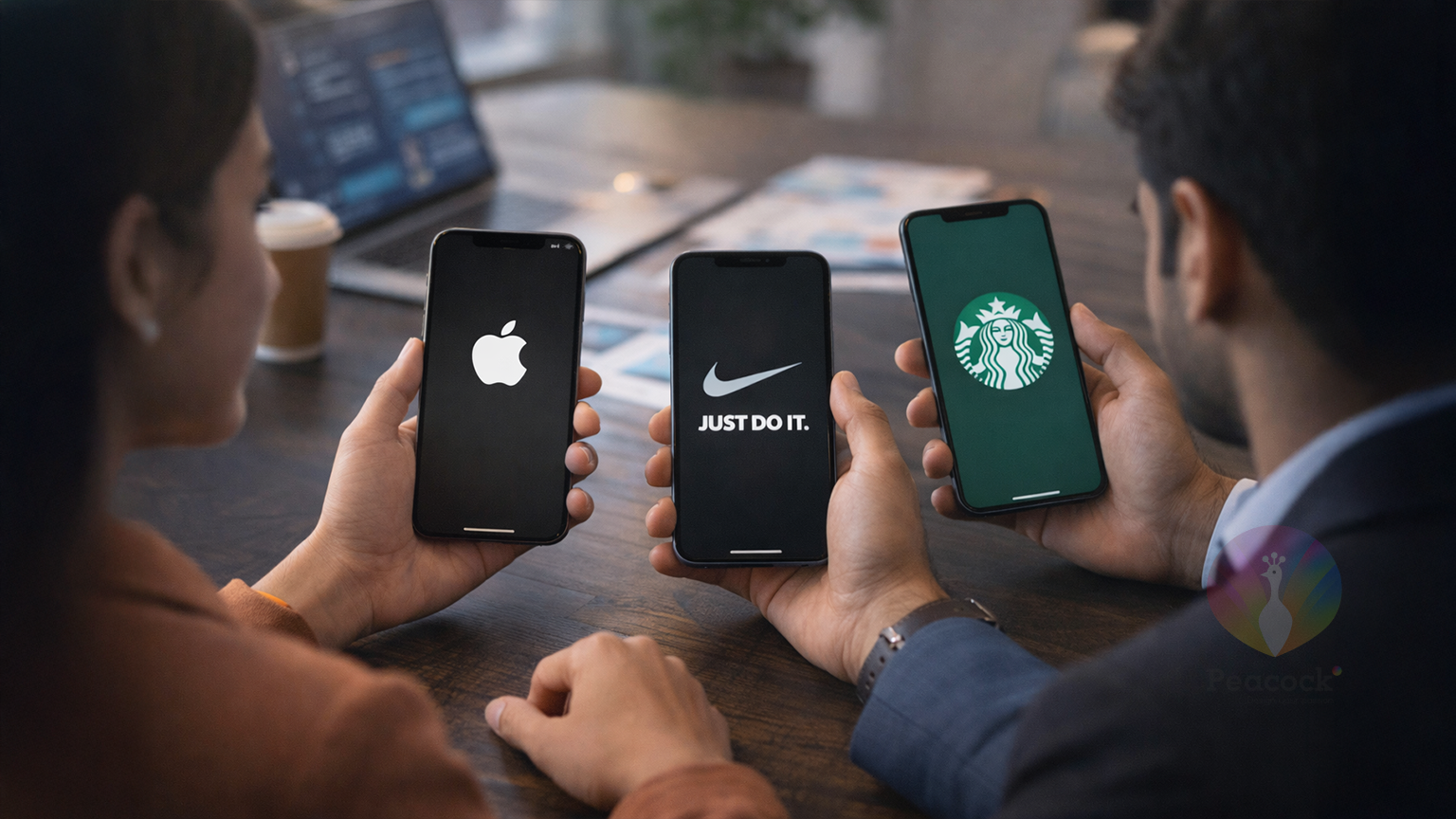
Real Brand Examples That Prove the Power of Identity
- Apple — simplicity and emotion
- Nike — inspiration and lifestyle
- Starbucks — global culture
Branding gives local businesses enterprise-level power.
How to Build a Strong Brand Identity (Step-by-Step)
- Know your customers
- Build strategy
- Design identity
- Create messaging
- Implement digitally
- Maintain consistency
- Reinforce through content
Brand identity is ongoing.
Why Investing in Branding Is Highly Profitable
Branding increases:
- retention
- conversion
- scalability
- internal unity
- trust
It improves both culture and revenue.
Future Branding Trends (2025 & Beyond)
- AI personalisation
- deep storytelling
- eco-identity
- community-driven brands
- hybrid aesthetics
Branding is evolving — identity must adapt.
Final Thoughts
Brand identity gives businesses power, meaning, and direction.
A strong identity:
- differentiates
- protects pricing
- influences perception
- accelerates sales
- builds loyalty
Companies investing in branding today build unshakeable customer relationships tomorrow. Peacock India continues helping businesses position themselves with brand identity systems that inspire trust, drive conversion, and create long-term market advantage.
Brand identity isn’t who you say you are — it is who customers believe you are. In modern business, belief drives revenue.

1. What is branding in business?
Branding is public perception shaped by experience, emotion, and communication.
2. Why is brand identity important?
It improves recognition, trust, and loyalty.
3. Does branding increase sales?
Yes — it boosts conversion and retention rates.
4. Is branding only visual?
No — branding includes psychology, messaging, experience, and culture.
5. Can small businesses benefit from branding?
Absolutely — identity helps SMEs compete effectively.