The Reality of Modern Software Development. Every successful digital product today depends on one thing: seamless communication between systems.
Mobile apps connect with payment gateways. E-commerce platforms integrate with inventory systems. Healthcare applications exchange data across multiple environments. AI-powered tools rely on structured information flowing between services.
Behind all of these interactions is a common foundation: APIs.
Yet many organizations still treat APIs as an afterthought—something built after the application is complete.
That approach creates limitations.
It slows development, increases technical debt, and makes future integrations more difficult.
This is why leading technology companies have embraced API-first development.
In 2026, API-first is no longer an emerging trend. It has become the preferred approach for organizations building scalable, reliable, and future-ready software.
Whether you are a founder planning a new digital product, a CTO modernizing legacy infrastructure, or a product leader preparing for growth, understanding API-first development is essential.

What Is API-First Development?
API-first development is an approach where APIs are designed before application code is written.
Instead of building software first and exposing APIs later, teams begin by defining how systems will communicate.
This includes:
- Endpoints
- Data structures
- Authentication requirements
- Request and response formats
- Error handling protocols
Once the API contract is finalized, development begins around that shared specification.
Think of it as creating architectural blueprints before constructing a building.
The blueprint ensures everyone understands the structure before implementation starts.
The same principle applies to software.
Why API-First Development Matters More Than Ever
Software ecosystems have become increasingly complex.
A single application may connect to:
- Mobile platforms
- Web applications
- Third-party services
- Payment providers
- AI systems
- Internal business tools
Without a structured communication layer, managing these connections becomes increasingly difficult.
API-first development solves this challenge by creating a standardized foundation that allows systems to scale efficiently.
Organizations adopting API-first methodologies benefit from:
- Faster development cycles
- Improved team collaboration
- Better scalability
- Reduced technical debt
- Stronger integration capabilities
Most importantly, they create systems that can evolve without constant rebuilding.

APIs as Strategic Business Assets
One of the biggest shifts in modern software architecture is the way organizations view APIs.
Traditionally, APIs were treated as technical infrastructure.
Today, they are treated as products.
This means APIs have:
- Ownership
- Documentation
- Version control
- Performance standards
- Long-term roadmaps
When APIs are managed like products, they create value beyond internal development.
They become assets that support partnerships, integrations, automation, and new revenue opportunities.
The most successful digital platforms in the world have embraced this mindset.
API-First vs. Code-First Development
To understand the impact of API-first development, it helps to compare it with traditional approaches.
Code-First Development
In a code-first model:
- Backend functionality is built first
- APIs are created afterward
- Frontend teams wait for backend completion
- Integration issues appear later in development
While this approach may work for small projects, it often creates bottlenecks as complexity increases.
API-First Development
In an API-first model:
- API contracts are designed first
- Teams align before development starts
- Frontend and backend teams work simultaneously
- Integration challenges are identified early
This significantly reduces delays and improves collaboration across teams.
The result is a more predictable development process and a more scalable product.
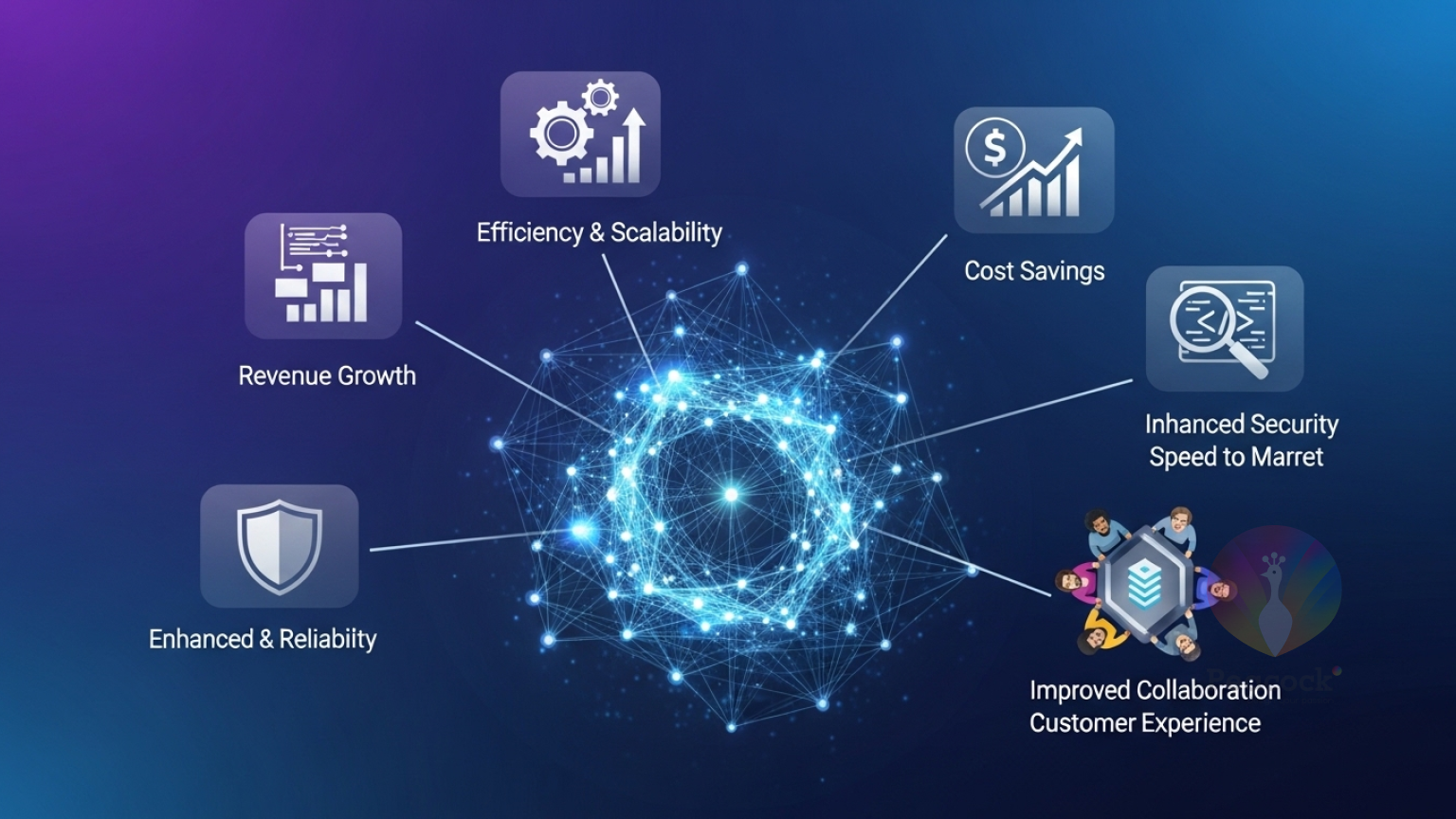
The Business Benefits of API-First Development
Faster Time-to-Market
One of the most significant advantages of API-first development is speed.
Because API specifications are established upfront, teams can work in parallel.
Frontend developers can begin building interfaces while backend teams develop services.
This reduces waiting time and accelerates product delivery.
Improved Collaboration
API contracts become a shared source of truth.
Designers, developers, QA teams, and stakeholders all work from the same specification.
This reduces misunderstandings and minimizes costly revisions.
Reduced Technical Debt
Technical debt often occurs when systems evolve without clear architectural planning.
API-first development introduces structure from the beginning.
This helps teams avoid shortcuts that create long-term maintenance challenges.
Better Developer Experience
Well-documented APIs improve productivity.
Developers spend less time interpreting functionality and more time building value.
Benefits include:
- Faster onboarding
- Reduced support requirements
- Improved implementation consistency
Greater Scalability
As businesses grow, systems must adapt.
API-first architecture enables organizations to:
- Add new features faster
- Integrate new services easily
- Expand into new channels
- Support increased user demand
Scalability becomes a built-in capability rather than a future challenge.

How API-First Development Supports Modern Architecture
Microservices
Modern software increasingly relies on microservices.
In this model, applications are divided into smaller services that communicate through APIs.
API-first development naturally supports this architecture by establishing communication standards before services are built.
Cloud-Native Systems
Cloud environments require flexibility and interoperability.
API-first approaches ensure applications can communicate consistently across cloud services and infrastructure layers.
Omnichannel Experiences
Users interact with businesses through:
- Websites
- Mobile apps
- Customer portals
- IoT devices
- Voice interfaces
API-first development enables consistent experiences across all channels by providing a centralized communication framework.
API-First Development and Artificial Intelligence
Artificial Intelligence is rapidly becoming a core component of modern software.
However, AI systems rely heavily on structured, accessible data.
This is where API-first architecture becomes critical.
AI integrations require:
- Predictable data formats
- Reliable endpoints
- Secure access controls
- Consistent communication standards
Organizations that adopt API-first principles are significantly better positioned to integrate AI capabilities into their platforms.
Without well-designed APIs, AI adoption becomes slower, more expensive, and more difficult to scale.
The API-First Development Process
Step 1: Define the API Contract
The first step is establishing the API specification.
This includes:
- Endpoints
- Parameters
- Responses
- Authentication methods
- Error handling
The API contract serves as the foundation for development.
Step 2: Review and Align Stakeholders
Before development begins, teams review the specification.
This ensures:
- Business requirements are met
- Technical constraints are understood
- Stakeholders are aligned
Step 3: Create Mock APIs
Mock APIs allow teams to simulate functionality before backend services are complete.
This enables frontend development to begin immediately.
Step 4: Build Services
Once the contract is approved, development teams build the underlying services.
Because the communication model is already defined, implementation becomes more predictable.
Step 5: Test and Validate
Testing ensures APIs meet specification requirements.
This includes:
- Functional testing
- Security testing
- Performance testing
- Integration testing
Step 6: Monitor and Improve
API-first development does not end at deployment.
Continuous monitoring helps teams:
- Track performance
- Identify bottlenecks
- Improve reliability
- Support future enhancements

Common Challenges in API-First Development
Organizational Resistance
Teams accustomed to traditional workflows may initially resist API-first approaches.
The solution is education, alignment, and demonstrating measurable benefits.
Version Management
As APIs evolve, maintaining compatibility becomes important.
Strong governance and versioning practices help prevent disruption.
Documentation Maintenance
Poor documentation can undermine the benefits of API-first development.
Documentation should be treated as a living asset and updated continuously.
Why Template-Based Architectures Fall Short
Many organizations attempt to scale using pre-built templates and generic frameworks.
While templates may accelerate initial development, they often create limitations over time.
Common challenges include:
- Rigid structures
- Integration constraints
- Performance bottlenecks
- Limited customization
API-first development works best when supported by architecture designed around business requirements.
Custom-built systems provide greater flexibility, scalability, and long-term value.
API-First as a Growth Strategy
API-first development is not just a technical methodology.
It is a business strategy.
Organizations that adopt API-first principles gain the ability to:
- Launch products faster
- Respond to market changes quickly
- Integrate emerging technologies
- Scale efficiently
In an environment where digital expectations continue to rise, flexibility becomes a competitive advantage.
API-first architecture creates that flexibility.
A Practical Next Step
If your software ecosystem is becoming increasingly complex, it may be worth evaluating how your systems communicate.
Many performance, scalability, and integration challenges can be traced back to architectural decisions made early in development.
A structured API-first approach often creates clarity where complexity has accumulated.
If you would like an external perspective on your current architecture or future roadmap, you can connect with the Peacock India team through our contact page.
It is simply a conversation focused on understanding your goals, identifying opportunities, and exploring practical ways to support long-term growth.
Final Perspective
The most successful digital products are not built around features alone.
They are built around systems that can adapt, scale, and evolve.
API-first development provides that foundation.
It creates alignment before implementation, reduces friction during development, and prepares organizations for future growth.
As software ecosystems continue to expand, the question is no longer whether APIs matter.
The question is whether your architecture is designed to make the most of them.
FAQs
1. What is API-first development?
API-first development is a software development approach where APIs are designed before application code is written, ensuring all systems are built around a shared communication contract.
2. Why is API-first development important?
It improves scalability, accelerates development, enhances collaboration, and reduces technical debt by creating clear architectural standards from the start.
3. How is API-first different from code-first development?
API-first defines communication contracts before coding begins, while code-first builds functionality first and creates APIs later.
4. What tools are commonly used in API-first development?
Popular tools include OpenAPI, Swagger, Postman, Stoplight, and API gateways that support design, testing, and documentation.
5. Does API-first development support microservices?
Yes. API-first development is one of the most effective approaches for building and managing microservices architectures.
6. Can startups benefit from API-first development?
Absolutely. Startups can build scalable systems from day one and avoid costly architectural rebuilds later.
7. How does API-first development support AI integration?
AI systems require structured, reliable data. API-first architecture provides consistent access to that data, making AI integrations easier and more scalable.
8. Is API-first development only for large enterprises?
No. Organizations of all sizes benefit from improved collaboration, scalability, and flexibility through API-first practices.