Headless CMS vs Traditional CMS: Which Is Right for Your Business?
Headless CMS vs Traditional CMS: Which Is Right for Your Business?
Choose the Right CMS for Future Growth.
Choose the Right CMS for Future Growth.
The way businesses manage digital content has changed dramatically over the past decade.
A company website is no longer the only place where customers interact with your brand. Today's users expect a consistent experience across websites, mobile applications, customer portals, e-commerce platforms, smart devices, and even AI-powered assistants.
Managing content across all these channels using traditional methods can quickly become inefficient.
This is why many organizations are exploring Headless CMS as an alternative to traditional content management systems.
But does every business need one?
The answer is no.
Both Headless CMS and Traditional CMS have their strengths, and choosing the right one depends on your business goals, technical requirements, and long-term digital strategy.
Understanding the differences will help you invest in a solution that supports growth today while preparing your business for tomorrow.
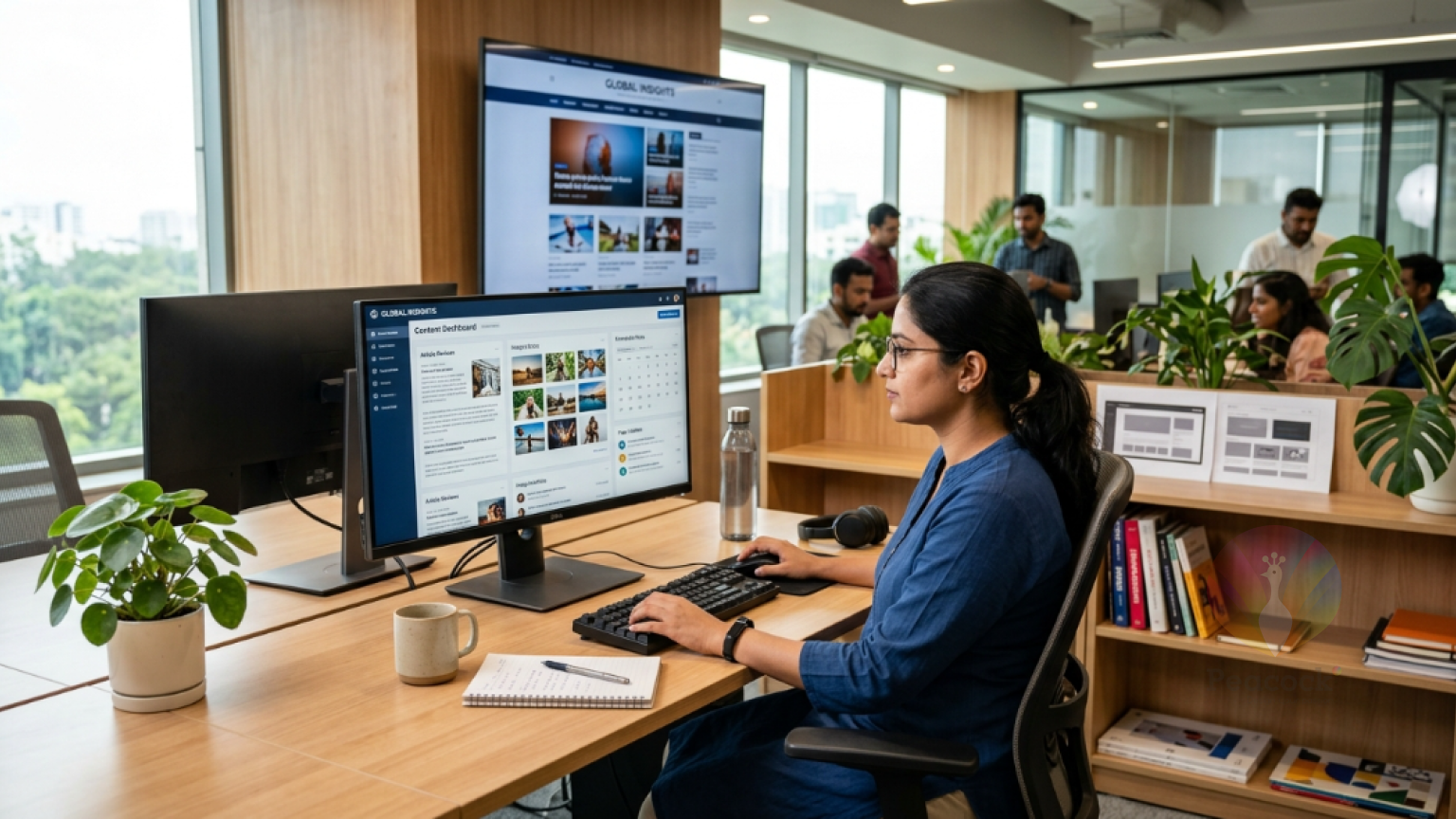
A Traditional Content Management System combines content management and presentation into a single platform.
Content editors can create pages, upload media, publish blogs, and manage websites from one dashboard while the CMS controls how that content is displayed.
Popular examples include WordPress, Drupal, and Joomla.
Traditional CMS platforms are widely used because they are simple to manage, require minimal technical expertise, and allow businesses to launch websites quickly using themes and plugins.
For businesses focused primarily on maintaining a website, they remain a practical and cost-effective solution.
A Headless CMS separates content management from the presentation layer.
Instead of deciding how content appears, it stores content in a central repository and delivers it through APIs.
This means the same content can be published across multiple digital platforms without duplication.
For example, one product description can simultaneously appear on:
Because content is separated from presentation, developers have complete freedom to build modern digital experiences using technologies that best suit the project.
The biggest difference between the two approaches lies in flexibility.
A Traditional CMS manages both content and presentation together, making it ideal for websites that follow a conventional publishing model.
A Headless CMS manages only the content.
How that content is displayed is entirely controlled by developers through APIs and modern frontend technologies.
This separation gives organizations greater flexibility when managing multiple digital channels.
Customer expectations continue to evolve.
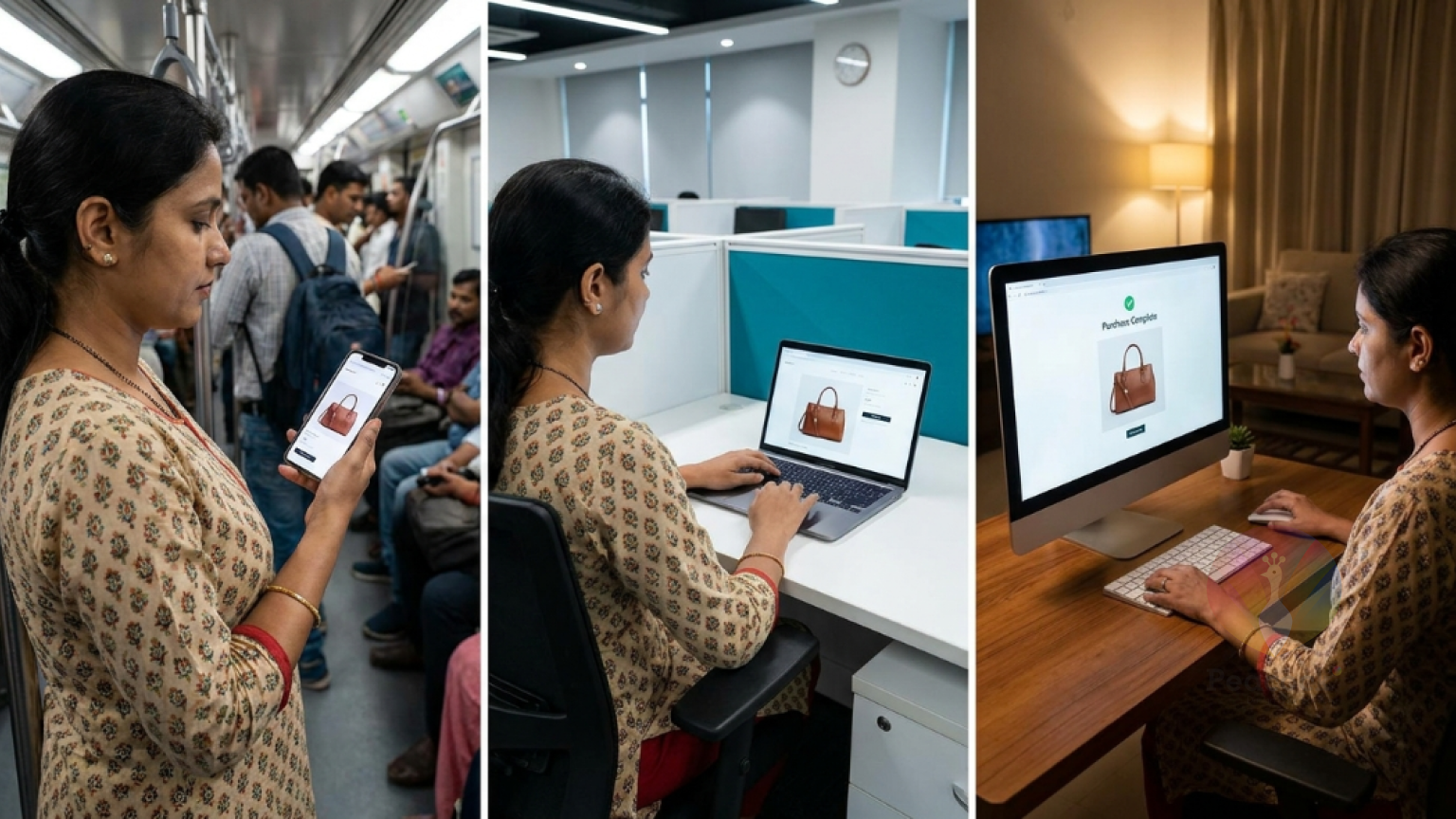
People expect businesses to provide seamless experiences regardless of the device they use.
A customer may discover a product on social media, continue browsing through a mobile app, and complete a purchase on a desktop website.
Keeping content consistent across every touchpoint becomes increasingly difficult when each platform operates independently.
A Headless CMS solves this problem by creating one centralized source of content that can be delivered wherever it is needed.
For organizations investing in digital transformation, this architecture offers significant long-term advantages.
Traditional CMS platforms remain popular because they solve many common business challenges efficiently.
Marketing teams can publish content without depending on developers for every update.
Pre-built themes and plugins reduce development time, allowing businesses to establish an online presence quickly.
Because many features already exist, implementation costs are often lower than custom-built solutions.
Large developer communities, documentation, and third-party integrations make troubleshooting relatively straightforward.
For small and medium-sized businesses focused primarily on maintaining a website, these advantages are often more than sufficient.

Headless CMS platforms are designed for organizations that require flexibility and scalability.
Content is created once and delivered everywhere.
This improves consistency while reducing duplication.
Developers can build lightweight frontends using modern frameworks such as React, Next.js, Vue, or Angular, improving loading speed and user experience.
As businesses grow, additional digital channels can be introduced without rebuilding the content management system.
Frontend developers are free to use the technologies best suited to the project rather than being restricted by predefined templates.
As new platforms emerge, businesses can continue using the same content infrastructure while adopting new presentation technologies.
Neither approach is perfect.
Traditional CMS platforms may become difficult to customize as digital ecosystems become more complex.
Large numbers of plugins can also introduce maintenance and security challenges.
Headless CMS implementations, while highly flexible, generally require experienced developers, API expertise, and a larger initial investment.
For organizations with simple publishing requirements, that additional complexity may not provide immediate value.
The right choice depends on how your business operates.
A Traditional CMS is often the better choice if you:
A Headless CMS becomes more valuable if you:
Rather than asking which platform is better, ask which platform aligns better with your long-term objectives.

Growth often creates complexity.
New products, additional markets, expanding customer journeys, and emerging digital channels all increase the demand for flexible content management.
Headless CMS allows businesses to adapt without rebuilding their entire digital infrastructure.
This flexibility reduces technical debt and makes future expansion significantly easier.
Organizations investing in long-term scalability often view Headless CMS as an architectural decision rather than simply a content management tool.
Content management decisions also influence performance.
Modern users expect digital experiences to load almost instantly.
Slow websites affect:
Because Headless CMS allows developers to use performance-focused frontend frameworks, organizations often achieve faster loading speeds and improved user experiences.
While performance depends on implementation, architecture plays an important role.
Choosing a CMS should never be based solely on industry trends.
Technology should support business objectives.
Every organization has different priorities.
Some need rapid deployment.
Others prioritize flexibility.
Some require extensive integrations.
Others simply need an easy way to manage website content.
The best solution is the one that supports your goals while remaining adaptable as your business evolves.
If you're evaluating whether a Headless CMS or a Traditional CMS is the right fit for your business, start by looking beyond today's requirements.
Consider where your business will be in the next three to five years and whether your current content management system can support that growth.
If you'd like to discuss your website, application, or digital roadmap, feel free to contact us.
Our team works closely with businesses to design scalable digital solutions that align with long-term business objectives—not just immediate technical requirements.

There is no universal answer to the Headless CMS versus Traditional CMS debate.
Both approaches solve different challenges.
Traditional CMS platforms continue to provide excellent value for businesses with straightforward publishing needs.
Headless CMS offers greater flexibility for organizations building modern, scalable digital experiences across multiple platforms.
The right decision is the one that aligns with your users, your business strategy, and your future growth plans.
Technology should never limit your ambitions.
It should enable them.
A Headless CMS is a content management system that separates content management from the frontend, delivering content through APIs to multiple digital platforms.
A Traditional CMS combines content management and presentation in one platform, while a Headless CMS separates them, allowing greater flexibility and omnichannel publishing.
A Headless CMS can deliver excellent SEO performance when implemented correctly with fast-loading frontend technologies and proper technical SEO practices.
Businesses with multiple digital platforms, mobile apps, enterprise systems, or long-term scalability goals often benefit most from a Headless CMS.
Yes. Traditional CMS platforms remain ideal for blogs, corporate websites, and businesses with straightforward content management requirements.
It can. Modern frontend frameworks used with Headless CMS often deliver faster loading speeds and better user experiences.
Migration complexity depends on your existing platform, content structure, and integrations. Careful planning helps ensure a smooth transition.
Evaluate your business goals, content strategy, technical resources, integration needs, and long-term growth plans before selecting a CMS.

Content creator
A passionate writer who loves diving into diverse subjects. Through engaging content, I aim to inspire and captivate readers.
Essential Benefits of Web Development for Online Businesses

Harish Goswami
Oct 23, 2023
3 min read
Build scalable software with API-first development.
Harish Goswami
Jun 13, 2026
5 min read
Grow Your Business with a Custom Website Built for the Indian Market
Harish Goswami
May 09, 2025
10 min read
Master the art of building seamless, user-first experiences across all devices with these expert responsive web design strategies.
Harish Goswami
Apr 25, 2025
7 min read
Build Smarter. Scale Faster.
Harish Goswami
Jul 18, 2026
5 min read

Boost conversions with landing page optimization.
Harish Goswami
Jun 27, 2026
6 min read
Your step-by-step guide to a smooth, high-impact website rebrand.
Harish Goswami
Nov 29, 2025
7 min read



Build by Peacock India


AI platform for faster, accurate and compliant hospital documentation
Visit Patient Lens AI